Infusing Energy: Using Tie Dye Rainbow Backgrounds Patterns in Modern Design
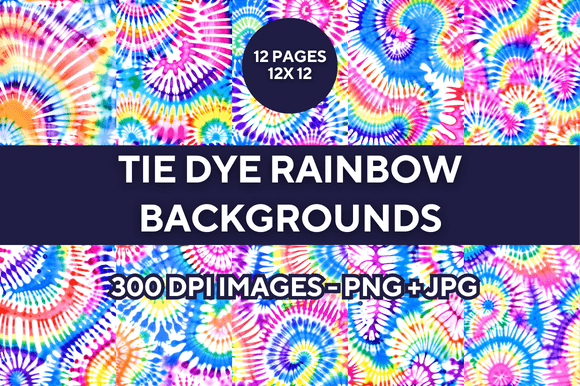
In the digital landscape, grabbing attention is half the battle, and few things command the eye quite like the vibrant spectrum of a Tie Dye Rainbow Backgrounds Patterns collection. This isn't just a set of generic textures; it is a curated bundle of 12 high-definition images, each crafted at a substantial 12” x 12” (3600 px x 3600 px) resolution. Rendered in PNG format at 300 DPI, these assets bridge the gap between digital clarity and print-ready precision. For designers, content creators, and entrepreneurs, this collection offers a specific kind of visual energy—dynamic, colorful, and deeply nostalgic. The spiral spectrum designs capture the organic flow of dye, creating a sense of movement that static, solid colors simply cannot achieve.
The Psychology of the Spiral: Visual Style and Appeal
Understanding the personality of a design asset is crucial before applying it to a project. The Tie Dye Rainbow Backgrounds Patterns collection embodies a "modern retro" aesthetic. It channels the free-spirited vibe of the 1960s and 70s but renders it with the sharpness and saturation required by contemporary web design standards. The visual characteristics are defined by high-contrast transitions between colors—think deep indigos bleeding into electric pinks and sunshine yellows.
This style carries a personality that is approachable, energetic, and optimistic. Unlike the rigid geometry often found in corporate brand identity, the organic swirls of these backgrounds suggest creativity and flexibility. For a small business owner or a blogger, using these patterns signals that they are current, accessible, and unafraid of color. The appeal lies in its versatility; while the patterns are loud, they are also balanced. The specific rendering of the spiral spectrum ensures that no single color overpowers the composition, making it an excellent backdrop for overlaying text or product photography.
Strategic Applications: From Social Media to Packaging
The utility of the Tie Dye Rainbow Backgrounds Patterns extends far beyond mere decoration. For the modern marketer or social media manager, these images are a goldmine for engagement. Platforms like Instagram and TikTok favor high-contrast visuals. Using these backgrounds for quote cards, announcement posts, or story highlights creates an immediate visual hierarchy that stops the scroll. Because the images are 3600 x 3600 pixels, they are square and ready-made for most social grids without awkward cropping.
For entrepreneurs and those involved in packaging design, these patterns offer a tactile feel even in digital form. Imagine a yoga studio’s merchandise line, a summer music festival poster, or a children’s brand’s stationery. The rainbow tie-dye aesthetic translates exceptionally well to print-on-demand products. Because the files are 300 DPI, you can confidently use them for physical goods like tote bags, phone cases, or greeting cards without worrying about pixelation.
Furthermore, content creators and publishers can utilize these assets to break up long blocks of text. In editorial design, a vibrant background can serve as a section break, signaling a shift in topic or a call to action. It adds a layer of professionalism and polish to digital magazines, e-books, and PDF guides.
Integrating Vibrancy: Technical Considerations and Font Pairing
While the Tie Dye Rainbow Backgrounds Patterns are visually striking, their effectiveness relies on how they are integrated with typography. A common mistake is placing complex text over a busy background, leading to poor readability. However, this collection is designed with modern typography in mind. The "spiral" nature of the design often creates lighter focal points where text can be anchored.
Selecting the Right Typeface
When overlaying text on these rainbow backgrounds, the choice of typeface is critical. A display font with bold, thick strokes works best for headlines. Avoid thin, delicate serif fonts or overly intricate script fonts for main text, as the background detail can swallow the delicate serifs and swashes. Instead, opt for a geometric sans serif font. The clean lines of a sans serif provide a necessary contrast to the organic, fluid nature of the tie-dye.
If you are building a logo design using these backgrounds, consider using a heavy handwritten font or a blocky premium font. The weight of the letters creates a solid barrier between the text and the colorful background. For a more whimsical approach, a rounded modern typography style can complement the playful nature of the dye without getting lost in the noise.
Creating Visual Hierarchy
To maintain a professional look, utilize "knockout" techniques. Place a semi-transparent white or black shape behind your text before layering it over the Tie Dye Rainbow Backgrounds Patterns. This creates a container that grounds the text, ensuring your message is readable while still allowing the vibrant colors to peek through. This method is particularly effective in web design hero sections or email headers where clarity is paramount.
Practical Guidance for Designers and Crafters
For the hobbyist or designer evaluating this collection, the decision comes down to utility and format. The inclusion of both PNG and JPG formats in this bundle is a practical advantage. Use the PNGs for projects requiring layering in software like Photoshop or Canva, and the JPGs for quicker uploads to website builders where file size might be a concern.
When testing font pairings, create a mood board. Take one of the spiral images and test it with your existing brand assets. Does the vibrant rainbow clash with your logo, or does it inject the energy you need? Because these are design assets intended for commercial use, you have the freedom to manipulate them. You can desaturate them slightly for a pastel look, or increase the contrast for a neon effect.
Ultimately, the Tie Dye Rainbow Backgrounds Patterns collection is more than just a set of colorful papers. It is a versatile toolkit for injecting personality into a project. Whether you are designing a wedding invitation, a podcast cover, or a new line of digital wallpapers, these images provide a high-quality foundation that is both nostalgic and forward-thinking. By pairing them with the right creative font and maintaining a clear visual hierarchy, you can transform a simple design into a captivating piece of art. Thanks to the high-resolution rendering, you can scale these assets for large-format printing or crop them tight for digital avatars, ensuring consistency across all your creative touchpoints.